Artificial intelligence is changing how retailers monitor, support and manage their workforces. While CCTV remains an important security tool, it is now only one part of a much broader technology ecosystem.
Retailers are increasingly combining AI, point-of-sale (POS) analytics, workforce management software and operational data to improve security, reduce shrink, increase productivity and deliver better customer service.
This shift is taking place as retailers face growing pressure from organised retail crime, rising labour costs, supply chain complexity and higher customer expectations. Modern employee monitoring is no longer just about identifying what went wrong.
It is about giving managers the information they need to make better decisions, improve store performance and create safer workplaces.
The challenge is to use these technologies responsibly. Retailers that balance innovation with transparency, employee trust and compliance are more likely to achieve lasting business value.
AI is changing how retailers monitor operations
Traditional retail monitoring relied heavily on CCTV footage and manual reviews after an incident. AI has changed this approach by helping retailers identify issues as they happen.
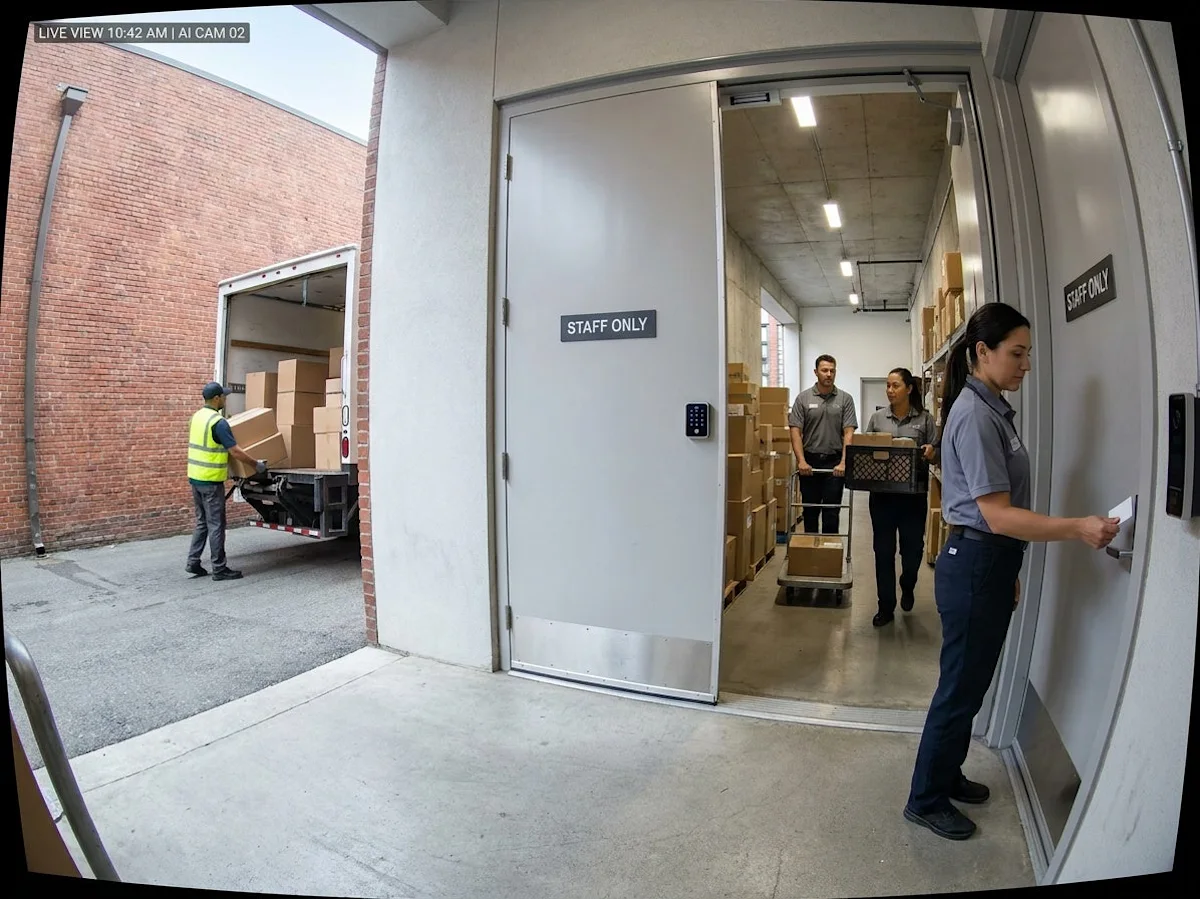
AI-powered video analytics can detect long queues, empty shelves, blocked fire exits and other operational problems without someone constantly watching camera feeds. Instead of reviewing hours of footage, managers receive alerts that allow them to respond more quickly.
POS systems have also become far more intelligent. Every transaction, refund, discount and price override creates valuable data. AI can identify unusual patterns that may indicate fraud, training needs or process weaknesses. This allows retailers to investigate genuine risks while reducing unnecessary manual reviews.
In warehouses and fulfilment centres, AI works alongside handheld scanners, inventory systems and workforce management platforms to improve picking accuracy, stock visibility and operational efficiency.
Rather than replacing employees, these tools help managers allocate resources more effectively and identify opportunities for improvement.
Better decisions, not just better surveillance
Employee monitoring is often associated with surveillance, but its role has expanded significantly.
Retailers monitor employees for many legitimate reasons. They need to protect staff, reduce inventory loss, improve customer service, maintain health and safety standards and ensure company policies are followed.