WASTE NOT: Oxfam has tapped Richard E. Grant for its latest Second Hand September campaign as it released data about the impact of unworn clothing on the environment.
As part of its inaugural State of Style report, the poverty-fighting charity said billions of liters of water are being used to make clothes that sit unworn in Britain’s wardrobes.
According to Oxfam’s research, the water used to produce the nation’s unworn clothing is equivalent to a lifetime’s supply for 1 million people. Manufacturing clothes requires large amounts of water, from growing raw fibers to dyeing fabrics.
The report described Britain’s fashion lovers as “impulse buyers” whose approach to shopping is putting pressure on the planet’s water, energy and raw materials.
According to the research, some 40 percent of Brits have worn an item of clothing just once, while 64 percent have bought clothes they weren’t actively looking for after seeing them on social media, shopping apps or online shopping platforms.

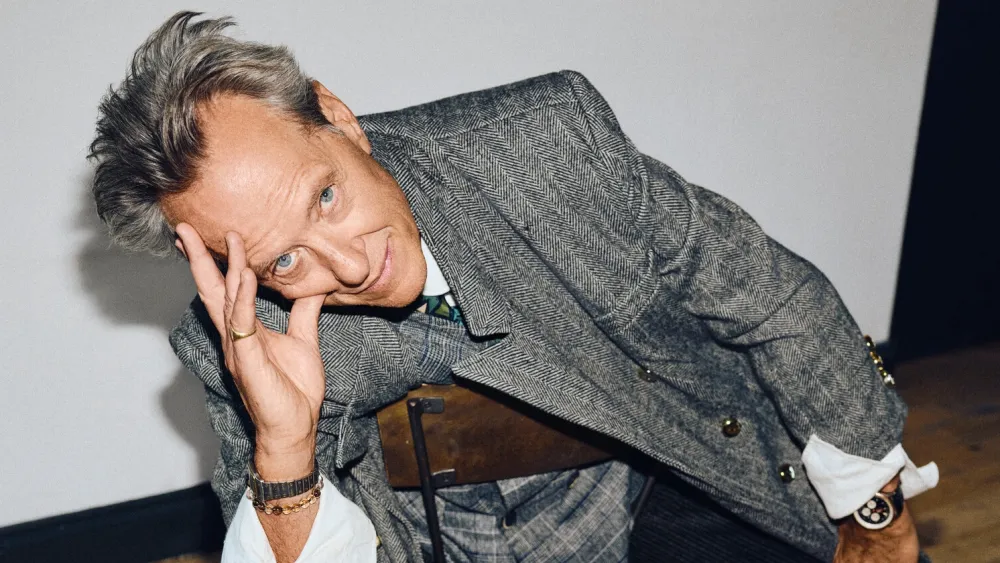
Richard E. Grant shot by Sane Seven for Oxfam’s Second Hand September 2026 campaign.
Sane Seven
The report added that 20 percent of Brits still throw unwanted clothes away rather than donating, repairing or reselling them.
Grant said he’s a fan of secondhand clothing, and argues he was cast in the British cult film “Withnail & I” after showing up at the audition “soaking wet and in a secondhand Burberry trenchcoat. Turned out I’d nailed the look for the part without even trying.”
The actor, whose films include “Can You Ever Forgive Me?” and “Saltburn,” and who will play Isabella Blow’s father in the upcoming “The Queen of Fashion,” said he’s still wearing secondhand clothes.
“I still wear pieces I’ve owned for decades, items that belonged to people I love, and things I’ve discovered over the years. Original style isn’t about buying more. It’s about finding pieces with a story, keeping them for as long as you can, and passing them on for someone else to discover. We’ve already got too much of everything. Reusing and upcycling clothing — secondhand, vintage, call it what you like — just makes perfect sense,” he said.
Oxfam retail director Rachel Cosgrove-Pearce said shopping secondhand “slows fashion down, encourages us to buy clothes we genuinely love and helps us see style as something creative, not something that has to be brand new. You’re choosing individuality over impulse and making a small change that’s better for your wardrobe and for the planet.”