What do we carry? Quite a lot, as it turns out—babies, provisions, bags full of necessities, and, less visibly, family stories, inherited gestures, old rituals. For spring 2027, Johanna Ortiz took carrying as a starting point for a collection about inheritance: what is handed down, what we keep, and what we make of it.
The setting at La Maison de l’Amérique Latine on Boulevard Saint-Germain was almost too appropriate. Housed in two 18th-century hôtels particuliers, with salons named Mistral, Neruda, Bogotá and Panama and a garden beyond, it offered Ortiz something closer to a Latin American home in Paris than a conventional fashion venue. Models moved through the rooms as guests circulated around them, while Colombian musician Aria Vega provided the live soundtrack, opening the presentation with an Amazonian ritual intended to dispel negative energy. Given fashion week, it seemed like a sensible precaution.
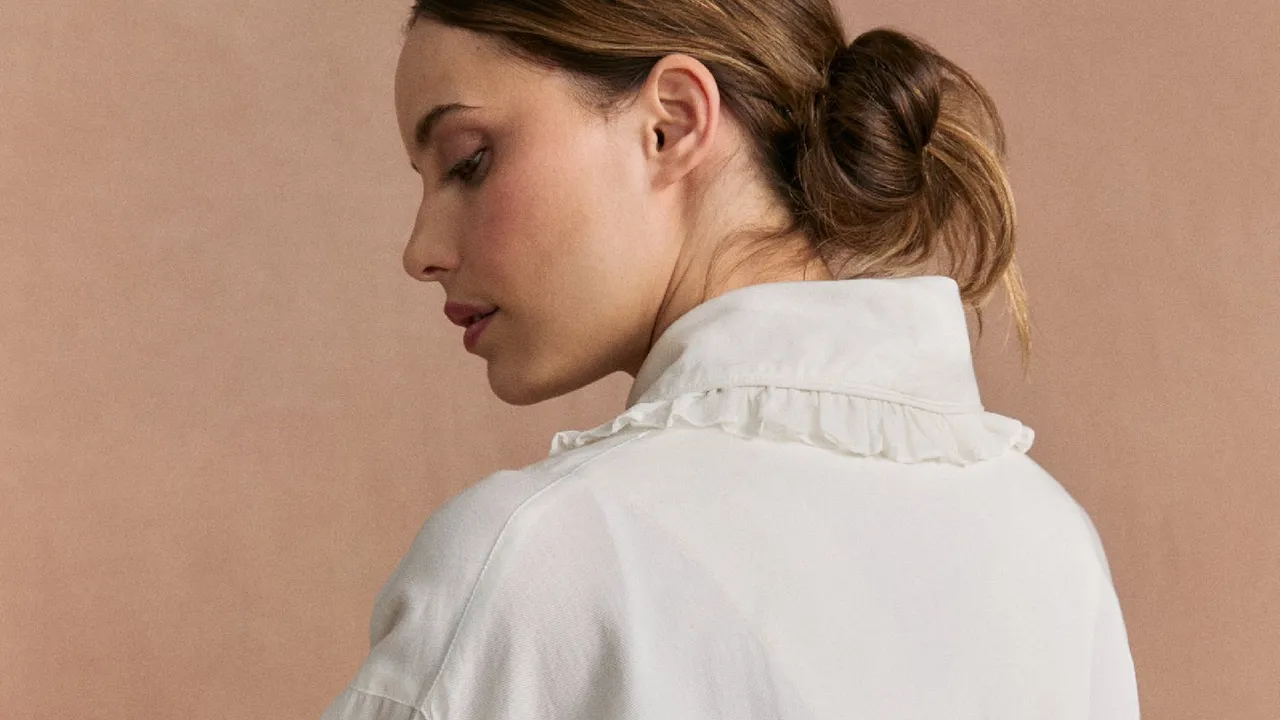
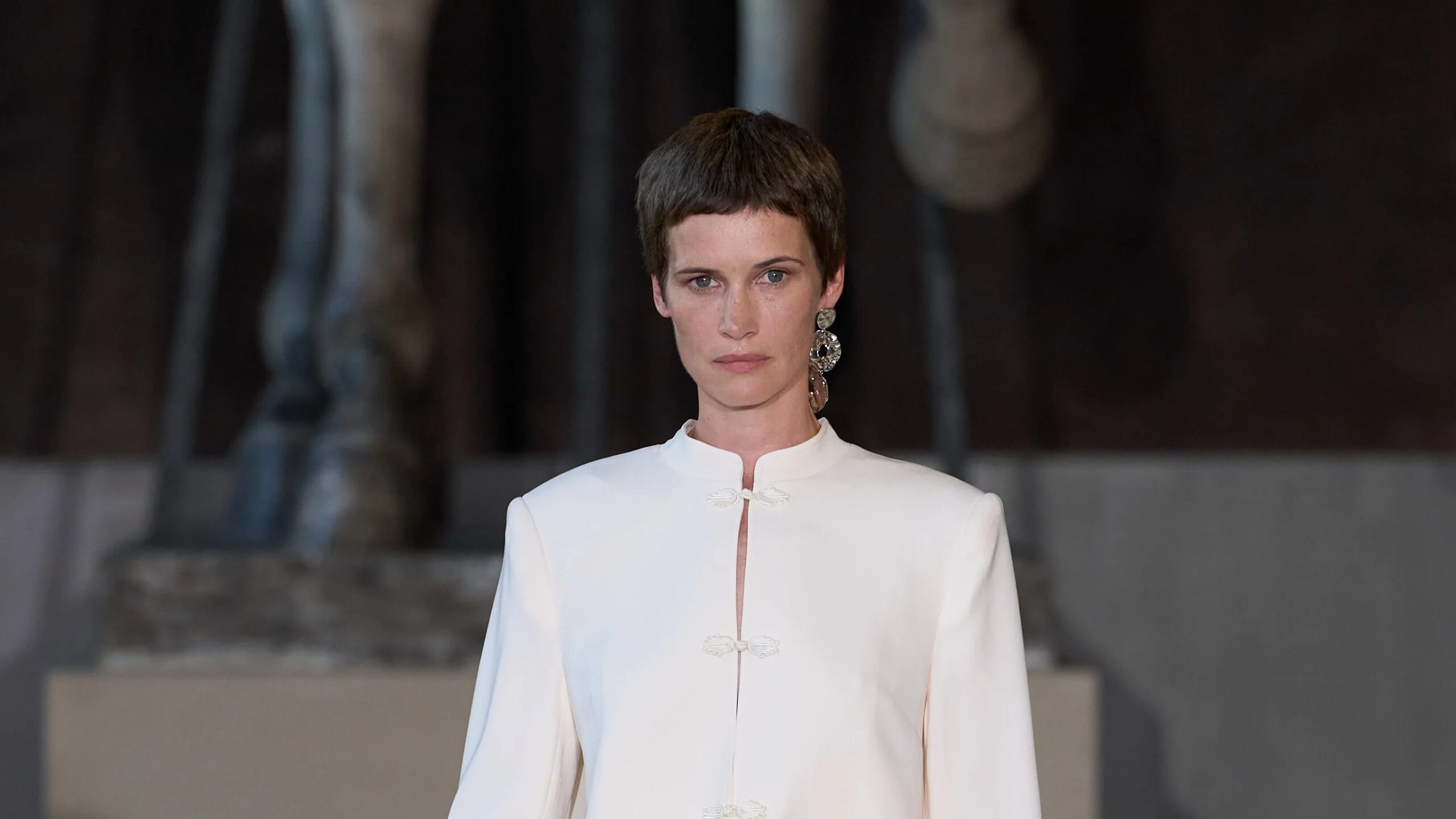
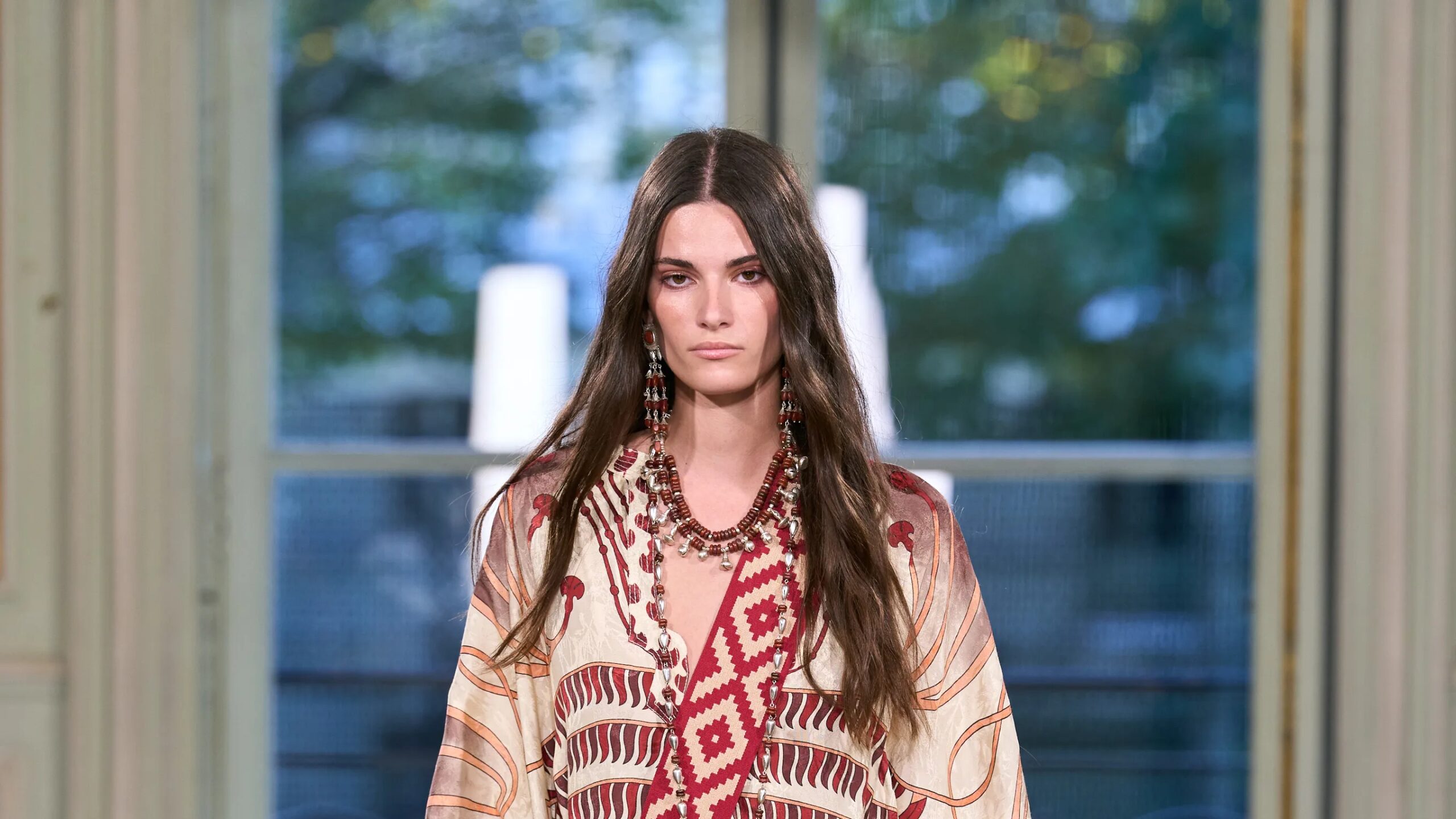
Ortiz looked to the ways cloth is wrapped, gathered and carried across Latin America, and to the visual confidence of Mayan garments, where stripes, checks, geometry, embroidery and intense color coexist without much concern for European ideas of restraint. She sketches her patterns first and drapes directly on the body, allowing the fabric to determine where it gathers, falls or wraps. That gave shape to dresses that flowed around the figure, with skirts layered, knotted and ruffled, revealing backs and asymmetric shoulders. Some silhouettes were elongated and close to the body; others opened into generous flares and tiered volumes. A few pieces were deliberately more theatrical, but movement kept the collection from becoming too mannered.
Much of the visual charge was carried by prints: botanical and tropical motifs in vivid combinations, sometimes dense, sometimes strategically placed to follow the body. Ortiz has an unusually good understanding of what a pattern can do, where it can elongate, frame, reveal or distract; her prints are less decoration than a form of construction.
You can recognize an Ortiz dress at 20 paces: color, ruffles, bare shoulders, sensuality and a certain instinct for clothes that seem ready to leave the room before you have quite finished looking at them. But the exuberance was kept in check by precise draping and her empathetic understanding of the female body. The Latin American references felt less like quotation than a source of form and attitude. After two decades, Ortiz has a well established alphabet: this season she simply went back to see what it had inherited, and what might still be worth carrying forward.