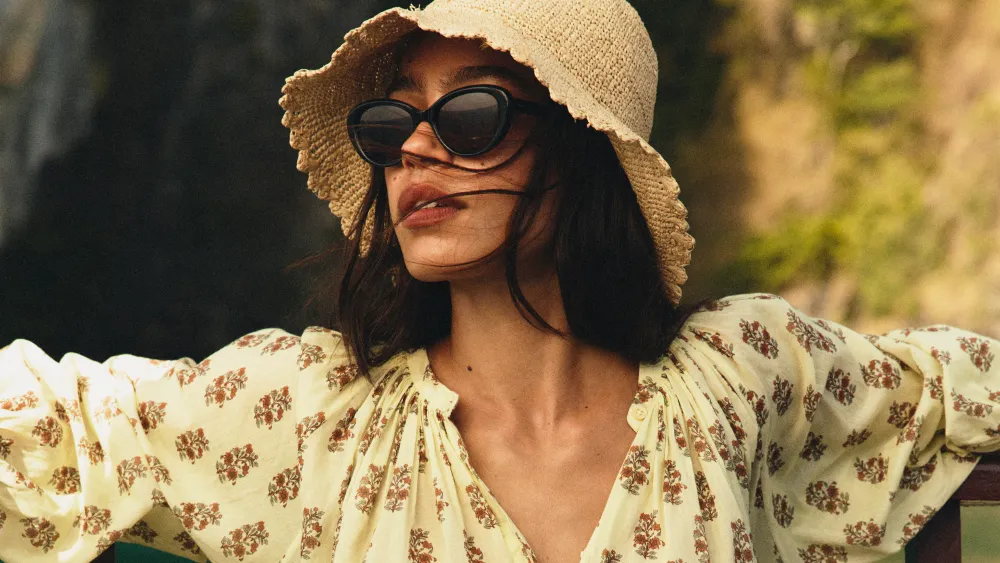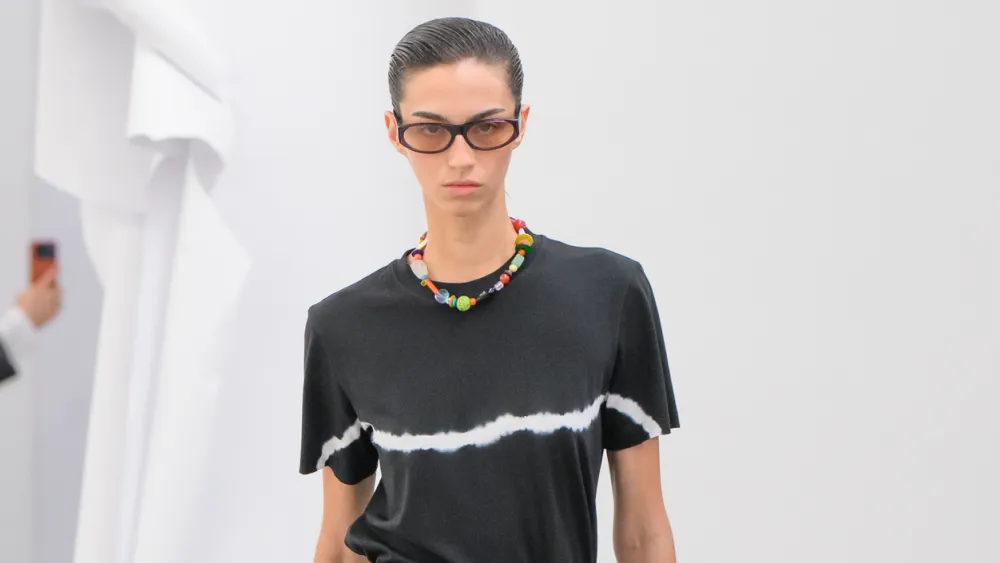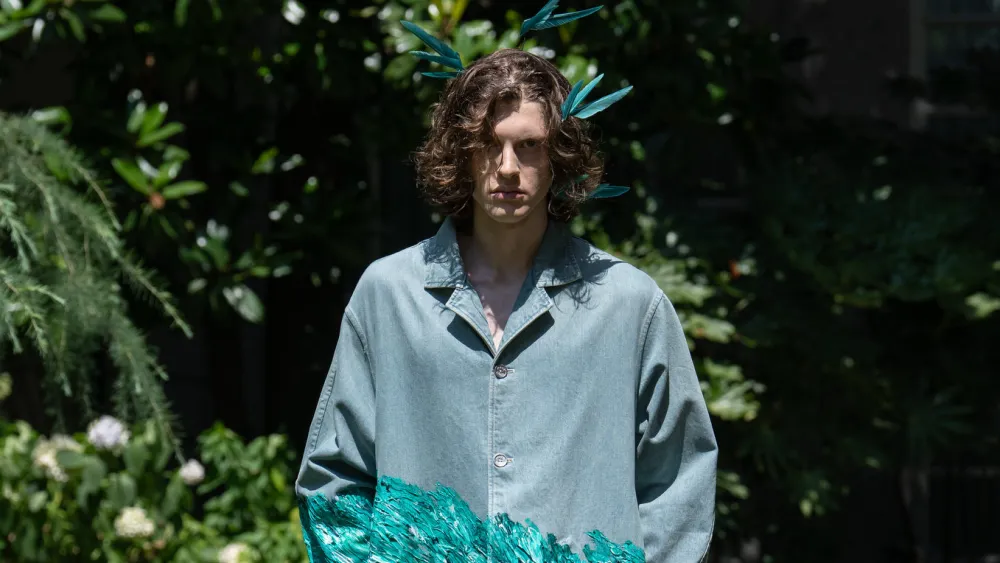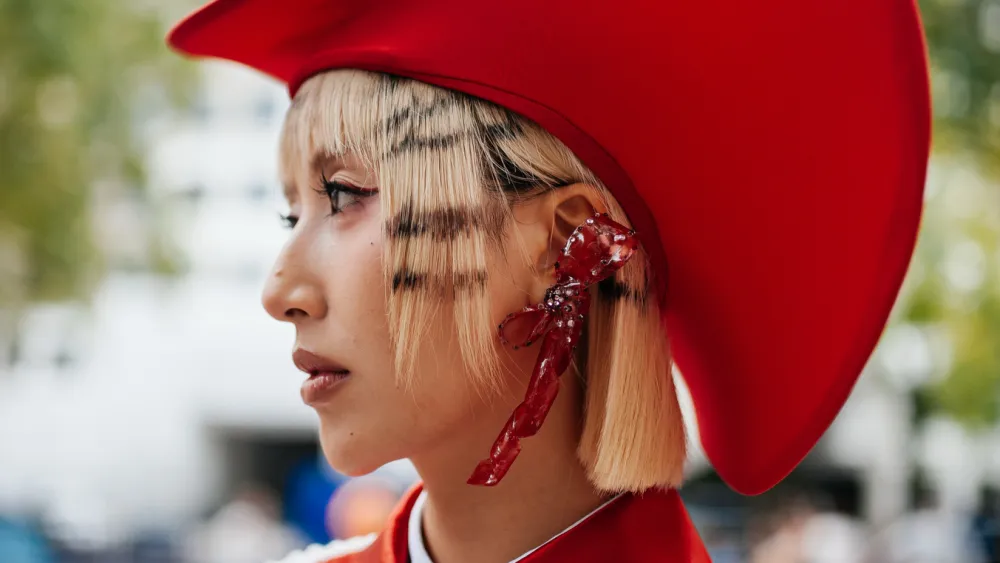
In 2012, I joined the street style game as an editor who loved fashion, wanted to be photographed and, admittedly, had an ego to feed. What I didn’t expect was that this personal indulgence would become an invaluable way to understand fashion’s relationship with the wider culture. Alongside WWD street style photographer Kuba Dabrowski, we have had a front row seat to its evolution for more than a decade.
What began as a relatively intimate documentation of editors, retailers and industry insiders gradually became a global phenomenon. Social media and the rise of influencers transformed the streets outside the shows into a stage of their own. During the Virgil Abloh years, fashion’s latest golden era reached far beyond its own bubble, influencing music, youth culture and the wider creative world. Street style became a bridge between the industry and the culture consuming it, capturing a moment when fashion felt especially connected to the people and communities shaping what came next. As Dabrowski puts it when describing the enduring appeal of certain designers and their followers, “These are worlds that are bigger than fashion.”
For those of us caught up in it, the pace felt like a bullet train. Every season brought more people, more attention and greater pressure to be seen — I have some unfortunate street style pictures to prove it. The pandemic intensified that appetite when fashion returned from lockdown, sending the industry into overdrive. But as the spectacle grew, the distinction between personal style and dressing for visibility became increasingly blurred.
In Paris these past seasons, the mood has felt different. Luxury’s financial uncertainty and fashion’s changing cultural reach are part of the picture, but so is audience fatigue. In an oversaturated digital landscape, algorithms make visibility unpredictable, while viewers have become increasingly savvy about paid placements and staged brand moments. The more manufactured street style feels, the less compelling it becomes.

Street style at Paris Fashion Week Spring 2027
Kuba Dabrowski/WWD
After more than a decade documenting the scene, Dabrowski sees a shift back toward personal style. “We are coming back to once again observing the style,” he says.
The crowds outside Comme des Garçons and Rick Owens still offer a distinct point of view, reflecting communities built around an aesthetic rather than a marketing exercise. Outside Hermès, meanwhile, the parade of Birkin and Kelly bags becomes a kind of luxury porn, a fascinating spectacle of wealth, desire and status that is almost impossible to look away from.

Thuso Mbedu at Paris Fashion Week Spring 2027
Kuba Dabrowski/WWD
Meanwhile, Michael Rider’s Celine emerged as one of the season’s strongest influences on the street. Dabrowski sees its appeal as an aesthetic rather than simply a trend, pointing to the scarves, flashes of colors, especially red, and distinctly Parisian styling. The narrow, flatter shoes that have become increasingly visible on the streets are part of that influence, too.
Dabrowski’s favorite moment came outside the livestream of the Telfar event from New York, where young Parisians gathered in a spirit of community, dressing with individuality rather than for the cameras. “There were people not wearing trends. There were people wearing culture.” Telfar perhaps best captured fashion’s new open-to-everyone mood — his live show was actually in New York, a vintage and sample sale combined with a runway show of his new collection that invited his fans to come and watch; no barriers to style.
Perhaps that is what street style needs to rediscover and just for the record, I wore a ton of red.