Success has a sound. It sounds like boardroom conversations, executive decisions, and the confidence of a man who understands how systems work. For nearly three decades, Michael Morisi lived inside that sound. He built a respected career in corporate America, rising through leadership roles that demanded clarity under pressure and responsibility for people, money, and outcomes. At the height of that journey, he served as President of PEOPLExpress Airlines, operating in an industry where every decision carried weight and consequence. From the outside, his life followed the script many aspire to professional stature, influence, and a future that appeared secure. But life rarely follows scripts.
There are moments that divide a life into before and after. For Michael Morisi, that moment did not arrive quietly. He became entangled in a legal case that ultimately led to incarceration, an experience he has consistently described as unjust and deeply transformative. Overnight, titles meant nothing. Reputation disappeared. Control was gone. Prison stripped away every external marker of identity. There were no boardrooms, no authority, no applause. Only time, silence, and the unavoidable truth of who you are when everything else is taken away. For Morisi, this was not the end of his story. It was the breaking point that reshaped it.
It is easy to speak about faith when life is working. It is far harder when nothing is. During his time in prison, Morisi confronted questions many people never slow down long enough to ask. Who am I without my position. What remains when the system fails you. Is purpose something you achieve, or something you answer to. In that dark and isolated season, clarity began to emerge not through success, but through surrender. What felt like collapse became a place of deep internal reckoning.
The Book Born from the Darkest Chapter
That season gave birth to Michael Morisi’s book, It Was Never About Justice:
Exposing Corruption, Revealing Grace. The book is not a legal defense, nor an argument about systems. It is a deeply personal testimony about what happens when justice does not arrive, and a person is forced to confront truth, responsibility, and grace without guarantees. The title itself carries the heart of the message. It was never about justice. It was about who he would become when justice failed. Written with honesty rather than bitterness, the book explores broken systems, human vulnerability, and the quiet power of grace to rebuild a life from the inside out. For Morisi, the book marked a turning point where pain stopped being something to escape and became something to learn from. It remains central to his work today, not as a symbol of the past, but as a foundation for purpose.
When Michael Morisi stepped back into the world, he did not return to the pursuit of status or corporate power. Instead, he responded to what he describes as a calling shaped by experience rather than ambition. In 2015, he entered full time ministry and was ordained as a pastor. He did not arrive as a traditional religious figure. He arrived as a man who had seen power without purpose, success without peace, and leadership without accountability. He knew those paths well because he had lived them.
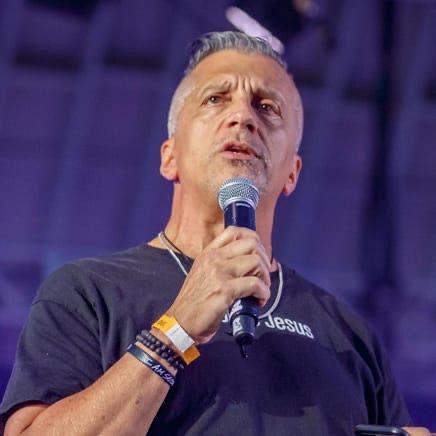
Today, Michael Morisi is known as a Pastor, Author, Speaker, and Men’s Leadership Coach. His work focuses on men not as performers, but as leaders in their homes, families, and communities. His message is direct, sometimes uncomfortable, and deeply grounded in responsibility. Faith must be lived, not displayed. Leadership begins at home. Accountability is not optional. He does not sell motivation. He teaches alignment. Men are drawn to his work because it is not theoretical. It is forged from lived experience corporate pressure, public collapse, personal reckoning, and spiritual rebuilding.
We live in a time obsessed with visibility but starved for depth. Michael Morisi’s journey resonates because it challenges a modern illusion, the belief that influence comes from image alone. His life demonstrates something far rarer. Real authority is built through humility, truth, and endurance. He is not defined by his fall. He is defined by what he chose to build afterward.
Michael Morisi does not present himself as a finished product. He speaks as a man still learning, still guiding, and still answering a purpose larger than personal success. His journey reminds us of a quiet but powerful truth. Your worst chapter does not disqualify you. It can prepare you, if you are willing to face it honestly. And sometimes, the strongest leaders are not the ones who never fall. They are the ones who rise with clarity, compassion, and courage when everything else is gone.