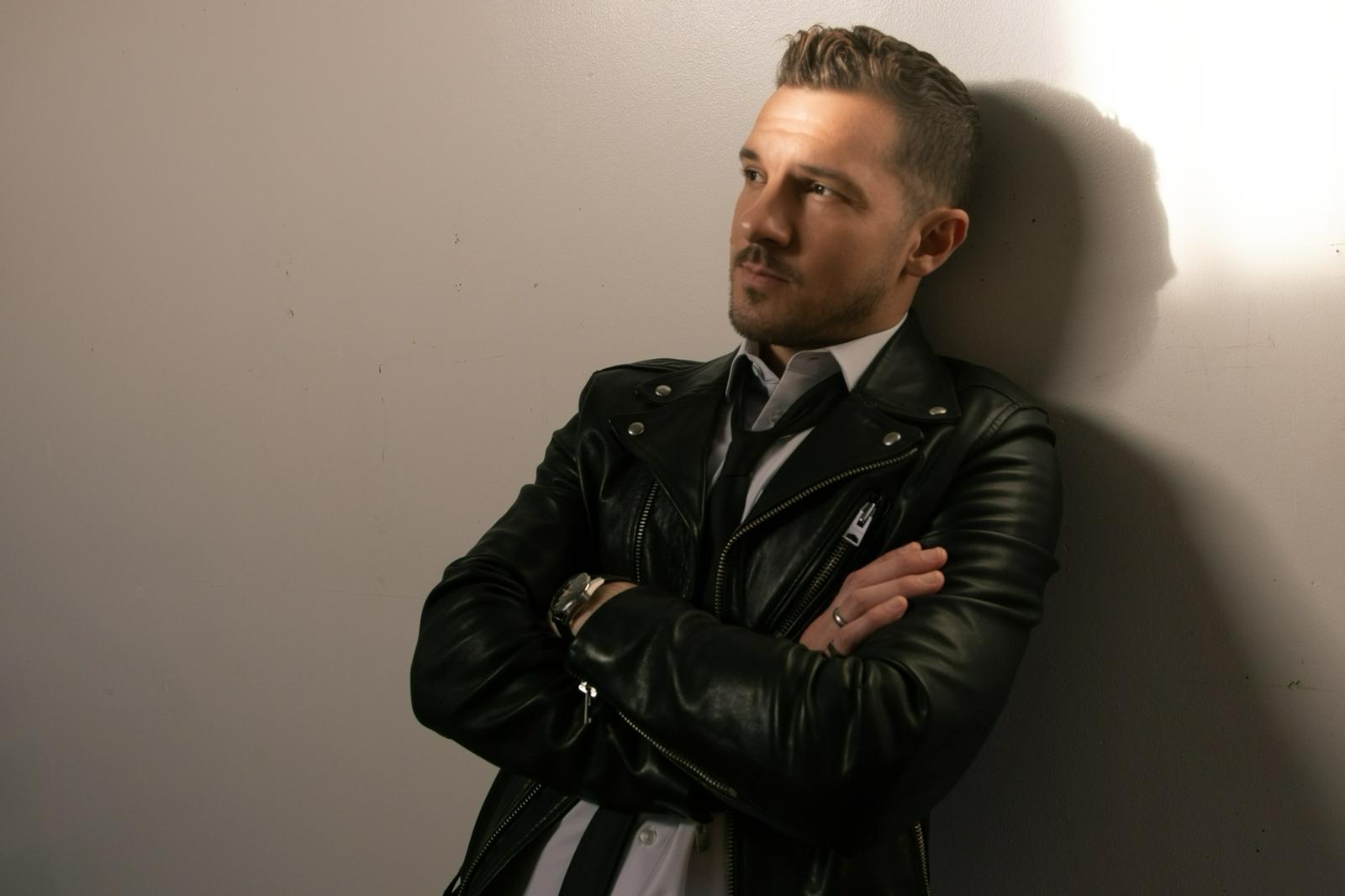
In an era where creativity is often diluted into trends and templates, Rick Wayne stands as a powerful reminder that true storytelling still wins. From a teenager experimenting with videos in Chicago to becoming an Emmy-nominated filmmaker and Executive Creative Director, his journey is not just inspiring it’s a blueprint for modern creatives.
Rick Wayne’s story begins in Chicago, a city rich with culture, music, and visual storytelling. Unlike many who stumble into creativity, Wayne developed an early fascination with how stories are told. Influenced by Apple’s iconic “Think Different” campaign and the dynamic storytelling style of early 2000s MTV, he began to understand something most overlook: powerful content isn’t about information, it’s about emotion.
This realization shaped his creative instincts from a young age. While others watched content for entertainment, Wayne studied it like a system. He questioned why certain visuals resonated deeply and others didn’t. That curiosity would later become the foundation of his entire career.
At just 16 years old, Wayne experienced his first breakthrough. He entered a video contest and created a project based on the popular “Cha-Cha Slide.” The result? He won the competition, judged by none other than Alanis Morissette, and earned his first paycheck from his creativity. It wasn’t just a win, it was validation. In that moment, Wayne realized that his ideas had real-world value.
While many creatives wait for opportunities, Wayne created his own. During his time at Columbia College Chicago, he didn’t limit himself to academics. Instead, he founded his own production company, Underscore Films. This early entrepreneurial move set him apart from his peers. While others were preparing for the industry, Wayne was already in it.
However, the journey was far from easy.
The early years of Underscore Films were marked by uncertainty and struggle. Like many young entrepreneurs, Wayne faced financial instability, inconsistent projects, and the constant pressure of survival. He wore multiple hats director, editor, producer, and salesperson, all while trying to build a name in a highly competitive industry.
He also faced hard lessons. Inexperienced in business dealings, he encountered situations where the lack of proper contracts led to financial losses. These challenges, while difficult, became defining moments. They taught him that creativity alone is not enough, understanding the business side is equally critical.
Despite these obstacles, Wayne persisted.
Over time, his relentless effort began to pay off. His work started gaining attention, and he began collaborating with some of the world’s biggest brands, including Nike, McDonald’s, Google, Netflix, and Visa. What set his work apart was his ability to merge cinematic storytelling with brand messaging. His projects didn’t feel like advertisements, they felt like stories people wanted to watch.
This unique approach led to a major milestone in his career: an Emmy nomination. It marked his transition from a struggling filmmaker to a recognized creative force.
Among his notable works is “Millennial’s Guide to Making It,” a project deeply rooted in his personal experiences. The series captured the realities of chasing creative dreams, including the move to Los Angeles and the challenges that come with it. Its authenticity resonated with audiences and even gained attention from HBO’s Project Greenlight.
Another impactful project, “Everyday Heroes of COVID-19,” showcased Wayne’s ability to tell meaningful, human-centered stories. By focusing on frontline workers during a global crisis, he demonstrated that powerful storytelling goes beyond visuals, it connects with real emotions.
As his career evolved, Wayne transitioned into leadership roles. He joined LiveLab in Chicago, where he worked on early social media content strategies, and eventually rose to become the Executive Creative Director at Brand Imagination Group (BIG).
In his current role, Wayne operates at the intersection of creativity, strategy, and technology. He leads global campaigns, manages creative teams, and shapes brand narratives that resonate across platforms. His work now extends beyond filmmaking into building experiences that combine storytelling, digital innovation, and cultural relevance.
Today, his focus includes exploring the role of artificial intelligence in creativity, pushing the boundaries of branded storytelling, and developing immersive campaigns that connect deeply with audiences.
At the core of Rick Wayne’s success is a simple yet powerful philosophy: emotion first, product second. He believes that people don’t remember features, they remember how something made them feel. This belief has guided his work across every stage of his career.

His journey also highlights a critical lesson for aspiring creatives: success is not just about talent. It’s about consistency, adaptability, and the willingness to learn from failure. Wayne didn’t follow a traditional path he built his own, step by step.
From a teenager with a camera to a global creative leader, Rick Wayne’s story is proof that when creativity meets persistence and business understanding, the possibilities are limitless.
In a world driven by content, Rick Wayne reminds us that storytelling still rules and those who master it don’t just create content, they create impact.