Baking is one of my favorite pastimes. Ensuring all the ingredients are measured just right, whisking the batter together — it’s all very therapeutic to me, especially because I get to enjoy a delicious sweet treat at the end. One question I’ve always wondered is why some recipes call for butter while others call for oil.
I made a chocolate olive oil cake a few weeks ago, and it had the most tender, moist, and light crumb. Other cakes I’ve made with butter have been more dense, but also had a richness that I love as well.
Should You Use Butter or Oil When Baking? 5 Pastry Chefs Weigh In
Three out of the five pastry chefs said overall butter is their choice when it comes to baking. Morgan said resoundingly, “In more professional baking environments, butter is used far more frequently, with oil reserved for more specific purposes. Butter is generally the preferred choice in baking because of the flavor and structure it provides. It adds richness and helps create a more desirable texture, especially in pastries, cookies, and cakes.” Palazzo agreed that it wins “not only for flavor — nothing tastes quite like butter — but texture as well.” It also is Paire’s preference. “Butter naturally has more flavor, and in many cases, anything you can do with oil, you can do even better with butter (except deep fry),” he said.
However, Paire did note that “it really depends on what you’re making. For instance, you can’t make a croissant with oil.” Similarly, Mckibbin and Coen were of the same thinking. “‘Neither is ‘better’, they just do different things. Butter adds a richer flavor, firmer structure, crisper edges, and air when creamed. Oil adds more moisture, softer texture, longer shelf life, and tender crumbs,” Mckibbin said. “Butter is better for cookies, pound cakes, pie crusts, and frostings. Oil is better for muffins, cakes, and quick breads that you want super moist.”
Coen also noted that butter is better for certain applications, such as pound cake; in fact, she believes pound cake would suffer without butter. “If you subbed it for oil, it wouldn’t work (butter helps add leavening and structure) and it wouldn’t be as rich,” she said. “I find that using oil in cakes for layer cake tends to offer up a lighter texture and flavor. But, at the end of the day, butter will always be better, because it provides a better flavor in baking.”
Palazzo also agreed that oil does help keep the crumb more tender, but even when she uses it, “I will sometimes adjust the ratio to help keep the fat of the oil but add a bit of melted butter for the flavor and richness.”
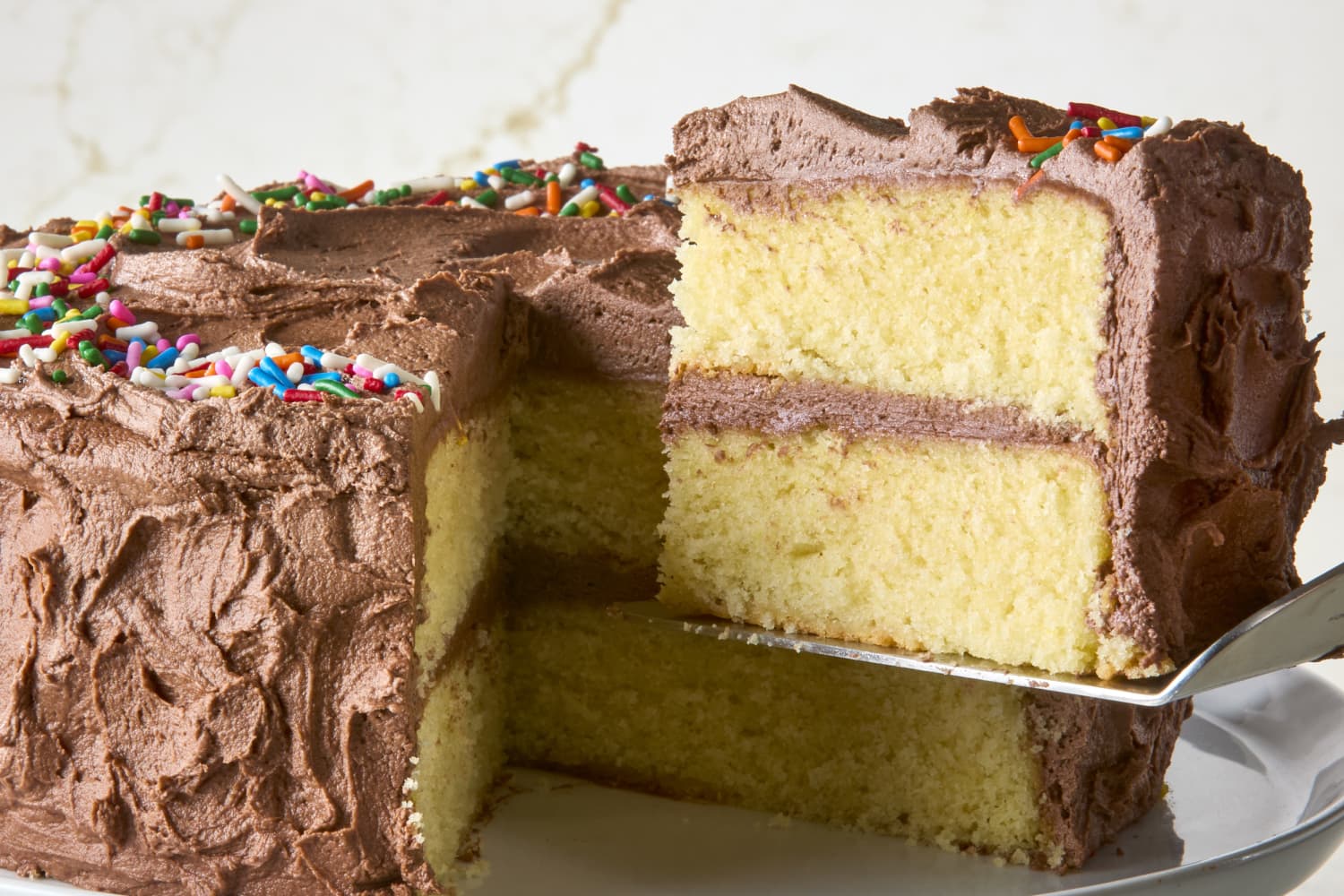
However, when it comes to boxed cake mixes, the chefs noted that butter is the winner — and should be swapped in even if the recipe doesn’t call for it. Palazzo is a big fan of the “soft and pillowy” texture of boxed cake mixes and made plenty when she first started her pastry chef journey. Her pro tip now? “Replacing the oil for double the amount of melted butter will help your box[ed] cake taste less processed and more homemade.” While Paire wasn’t as specific about the ratio, he agreed that you should “use melted butter instead of oil for better texture and taste.”