Shifting metrics
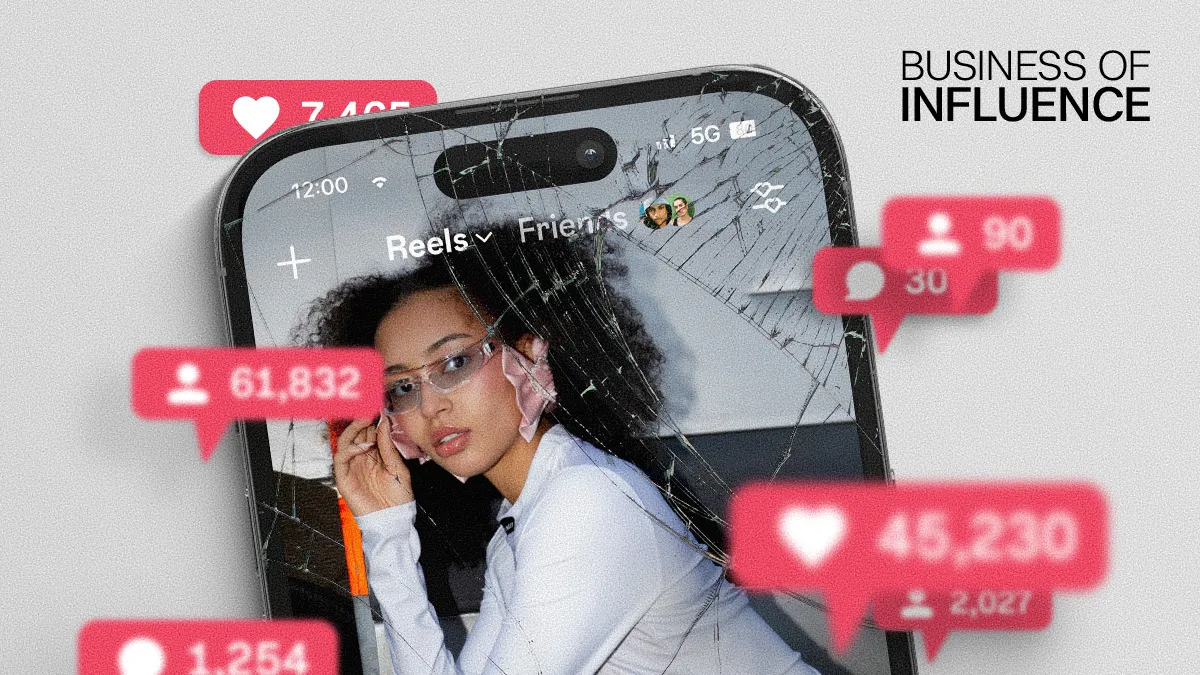
All of this ensures that creators can produce content that’s not just widely seen, but crucially, convincing. Before, follower counts, views, and impressions were the be-all and end-all. Now, says Mintel’s Ferrini, brands are monitoring whether creators can drive meaningful interactions, such as saves, “useful comments”, follower loyalty, attributable sales, conversion, and desired search behavior.
The broader embrace of affiliate marketing, in-platform shopping, and monetization tools, such as subscriptions, incentivize creators to chase long-term value, rather than quick-hit virality. Terms like “product intent” and “positive sentiment” are the new increasingly hard-to-measure impact signal. The cultivation of loyal communities who show sustained engagement is the gold standard.
But it’s hard, not least when the biggest population creators engage — Gen Z — is infamously disloyal. Across the board, consumer patience is low. Data from Mintel reveals that 73% of social media users believe influencers promote a lifestyle that’s unrealistic to most, 71% unfollow when influencers are no longer relatable, and 58% get bored quickly, moving on to new influencers
Disclosure legislation has only exacerbated this influencer ick by giving consumers better transparency into the commercial realities of what they’re being shown. After all, is there anything less chic than the “AD” disclaimer?
“While [it] has helped build trust, it has also heightened audience awareness of how often creators promote products, raising expectations for authenticity and making the quality and relevance of partnerships more important than ever,” says WGSN’s Brey. She explains how many creators are clocking this consumer fatigue for short-form sponcon, and, in response, reappraising long-form storytelling platforms (Youtube, Substack, Patreon), as well as IRL events, including hyper-local book or running clubs, and live tours.
WGSN’s new research cites the “human premium” as a key consumer shift for 2028. “As AI-generated content and polished brand messaging become the norm, audiences will seek creators who feel unmistakably human,” Brey says. “Those who build genuine communities, share the realities of life’s changing chapters, and communicate with honesty and transparency will remain the most relevant in an increasingly saturated media landscape.”