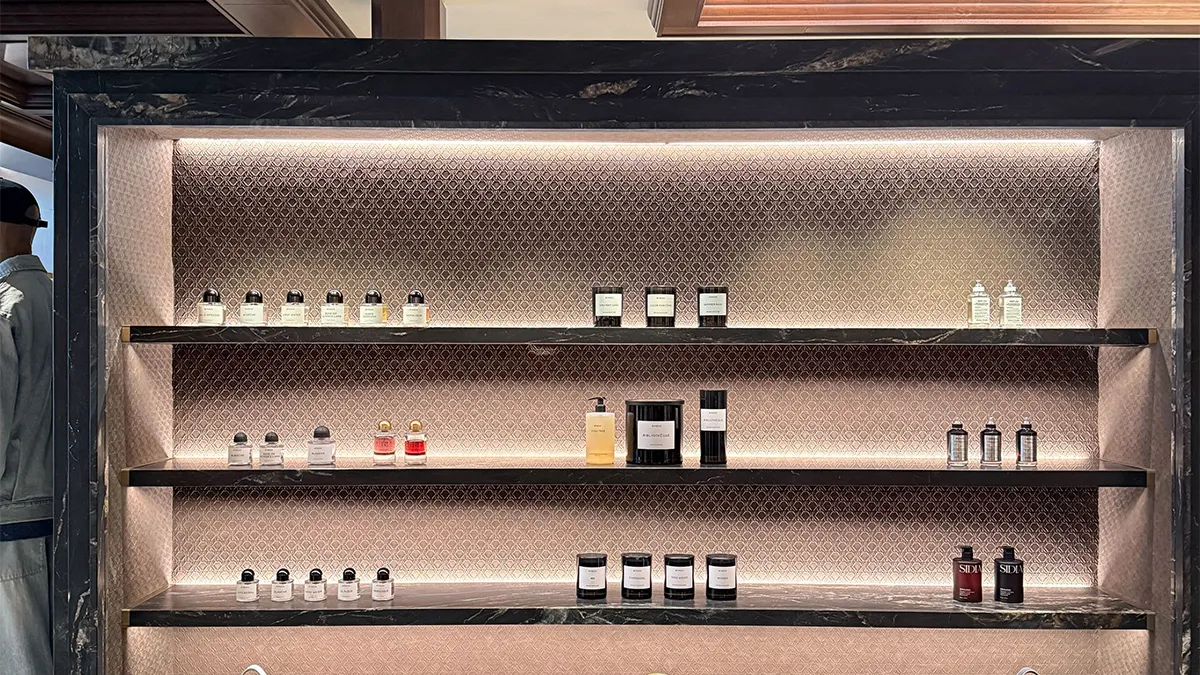
Assortment is another pressure test, particularly in curated retail, where every SKU has to justify its place. Buyers need to understand what the brand does, who it serves, its hero product, and how the customer moves through the range. Guselli says assortment discipline is “absolutely essential” for Liberty. “The strongest brands have clear heroes, complementary products and a coherent customer journey; weaker ones launch NPD for the sake of newness, creating ranges that become harder to merchandise, educate around, and sell.”
Staying power
Securing a shelf is only the first test. The next is staying there. Retailers may launch a brand with enthusiasm, but weak sell-through, poor replenishment, limited marketing support, unclear education, operational issues or an incoherent assortment can quickly lead to reduced visibility, fewer opportunities, or ultimately being delisted.
This is where retail becomes a live operating relationship rather than a one-off transaction. In practice, that means brands need to arrive with more than product: launch plans, education, sampling, visual merchandising, content, paid media where appropriate, founder engagement, retailer campaign participation, stock management, and regular trading conversations. The brand still has to create demand, fund support and prove the customer will return once the launch announcement has passed.
Sephora’s merchants, Venkatesh says, “work closely with founders to identify opportunities, navigate challenges, and chart a path for sustainable growth.” Success requires “continued investment across the business, from marketing to education to supply chain, as well as a willingness to listen, learn and adapt as the business grows.”