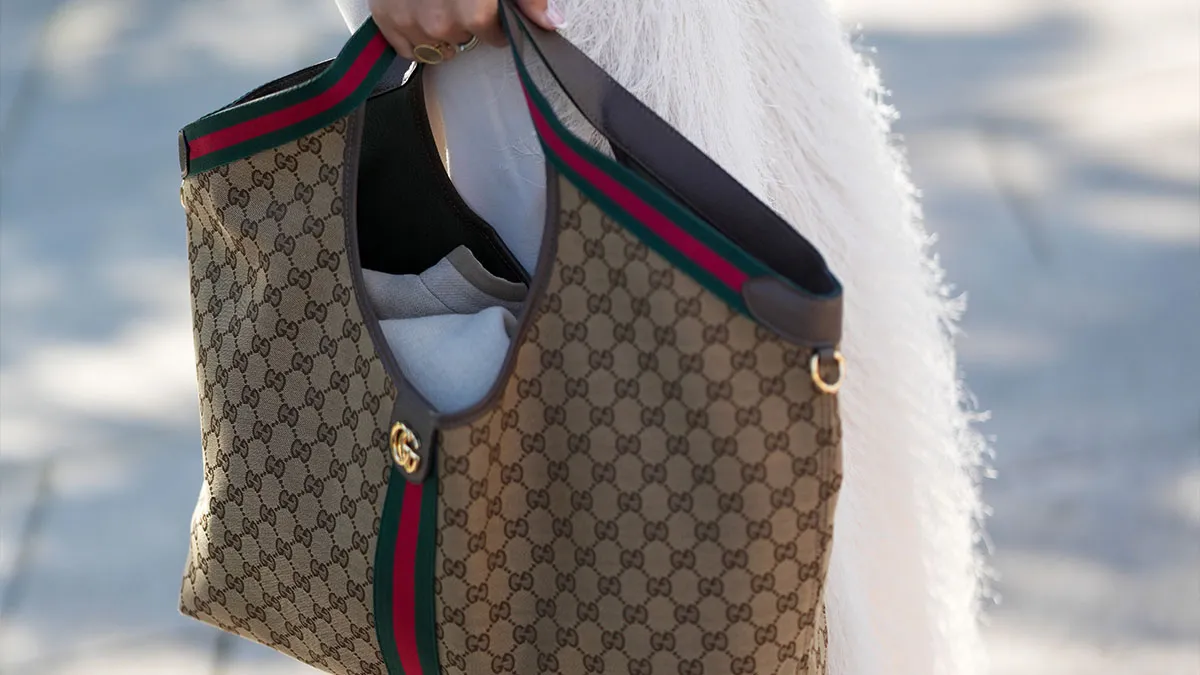
Earlier this year, a medium leather Gucci Mercato tote bag, designed by Demna for Spring/Summer 2026, would have set you back $2,900. But in May, analysts at Bernstein noticed a shift: Gucci had quietly reduced the price of the tote by an estimated 20-25%.
The move was part of a wider turnaround strategy for Gucci and parent company Kering to boost sales volume and re-address the aspirational shopper, as outlined at the group’s Capital Markets Day in April. As the broader luxury market aims to re-address the 50 million luxury shoppers lost amid post-pandemic price hikes, is reducing prices the way to course correct?
During the pandemic boom era, most luxury labels sought to boost margins with price hikes across their goods. According to HSBC, the average price of personal luxury goods increased by a staggering 52% between 2019 and 2024.
For example, a medium Chanel classic flap bag, once $1,000 in the 1980s, retailed for around $5,800 in 2019. Today, the same bag will set you back $11,700. Similarly, the Louis Vuitton Neverfull’s price has tripled since its debut in 2007, climbing from roughly $645 to over $2,000. These two examples paint a bigger picture: luxury’s most iconic bags now cost double their original price.

Following these price hikes, compounded by high cost-of-living inflation in the US, slower macroeconomic growth in China and geopolitical issues in the Middle East, spending has further slowed, exacerbating pressure on luxury’s bottom line, says analyst Luca Solca, whose team at Bernstein identified the Gucci Mercato price reduction. This was a blow, “especially for mega-brands who thrive on aspirational consumers,” he says.
After luxury handbag prices began to climb, consumers began to question where the added value was coming from. Younger consumers in particular took to social media, where content began to proliferate about the insane margins on luxury goods from leading brands. Late last year, 72% of Gen Z luxury shoppers told Vogue Business that they would rather own a Walmart ‘Wirkin’ than an Hermès Birkin bag, and when interviewed, several respondents said they feel spending lots of money on luxury is distasteful, and they don’t find new luxury goods to be worth the cost.
“There is a major disconnect in luxury, and that’s the underlying issue for the pricing discussion,” says Achim Berg, former senior partner at McKinsey and founder of corporate think tank Fashion Sights. “A lot of people just don’t understand why the price has increased when the product hasn’t improved. And that is not a fringe issue. It is a core issue for the luxury industry [today].”