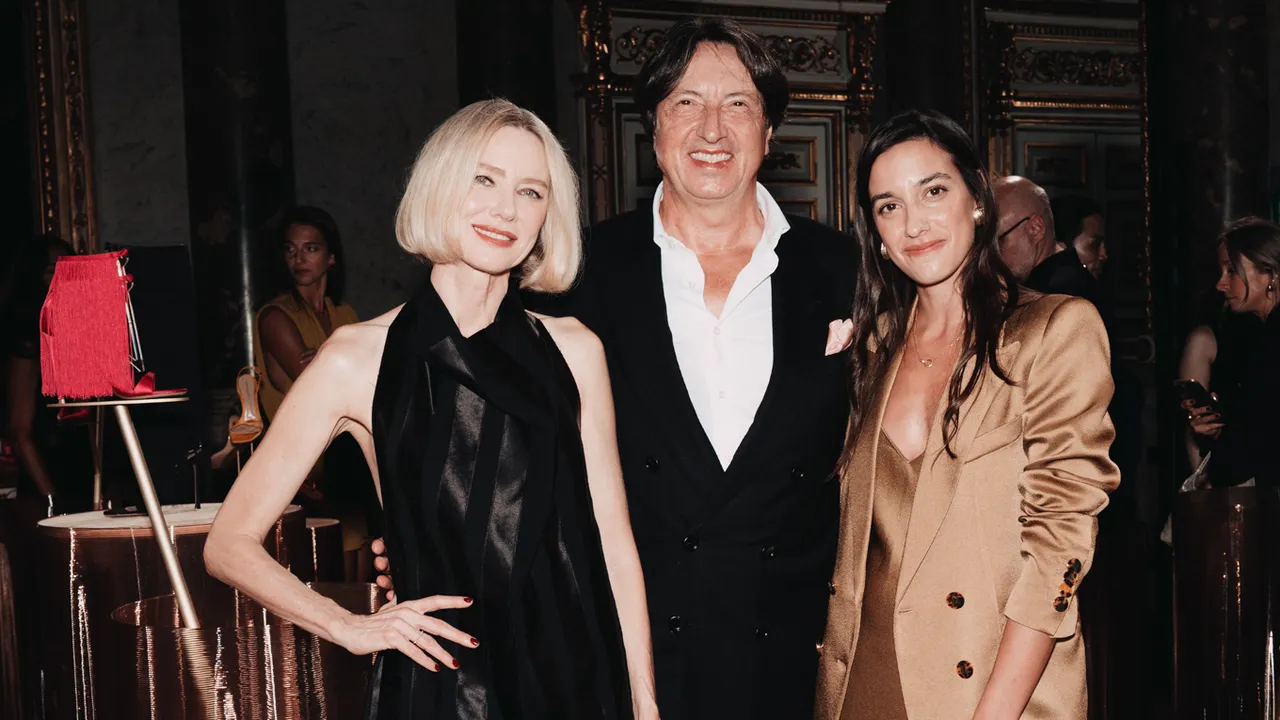
Jack Sunnucks, executive editor of Dazed
I don’t think size inclusivity has evolved at all. I don’t think I’ve really ever seen plus-size male models. Even with [alternative] casting, it’s more likely to be a slim DJ than a regular person with a normal body. It’s really hard to fit into designer clothes. Not many things go above an XL. Over the last 10 years, the ‘Demnafication’ of fashion, leading to really oversized fits, was really great for fitting into things, even if the brand didn’t extend to your size. But if silhouettes are going to be teeny weeny and tailored, that bodes badly.
There are lots of people who want to wear designer clothes, not just carry accessories. The runway always reflects reality, eventually. We’re living in a skinnier time, due to Ozempic and its cousins, and that was always going to come for the runway.
Sophie Jordan, menswear buying director at Mytheresa
There is no standardized size range across the industry, and every brand has its own unique fit and silhouette. As a result, sizing varies widely, which is particularly challenging for a multi-brand online retailer, especially in menswear. The shift toward lower rise, slimmer silhouettes and the gym aesthetic has proven challenging for our customer. Where we have introduced these styles, we have seen a direct negative impact on return rates within those brands.
We often speak to brands about broadening their size ranges, most frequently to add more availability at the larger end of the spectrum. This is especially true for Japanese brands, where we need a wider range of non-numerical sizes and an extended womenswear size scale. We also have these conversations with European brands, where our data highlights clear incremental opportunities.
Declan Chan, stylist and creative consultant
SS27 feels particularly skinny — case in point, the silhouette at Prada. Also, we can see a resurgence of the Hedi Slimane skinny ideal for models across a lot of brands, in the pursuit of youth. The boys from [K-pop group] Cortis also set the tone in Paris on the celebrity front.
Size inclusivity doesn’t seem to be on the brands’ minds, because, culturally speaking, we are still in the weight loss era powered by different injections and medications. There are brands like Willy Chavarria, Louis Gabriel Nouchi, GmbH, which demonstrate more size inclusivity because of their narratives and the characters they create.
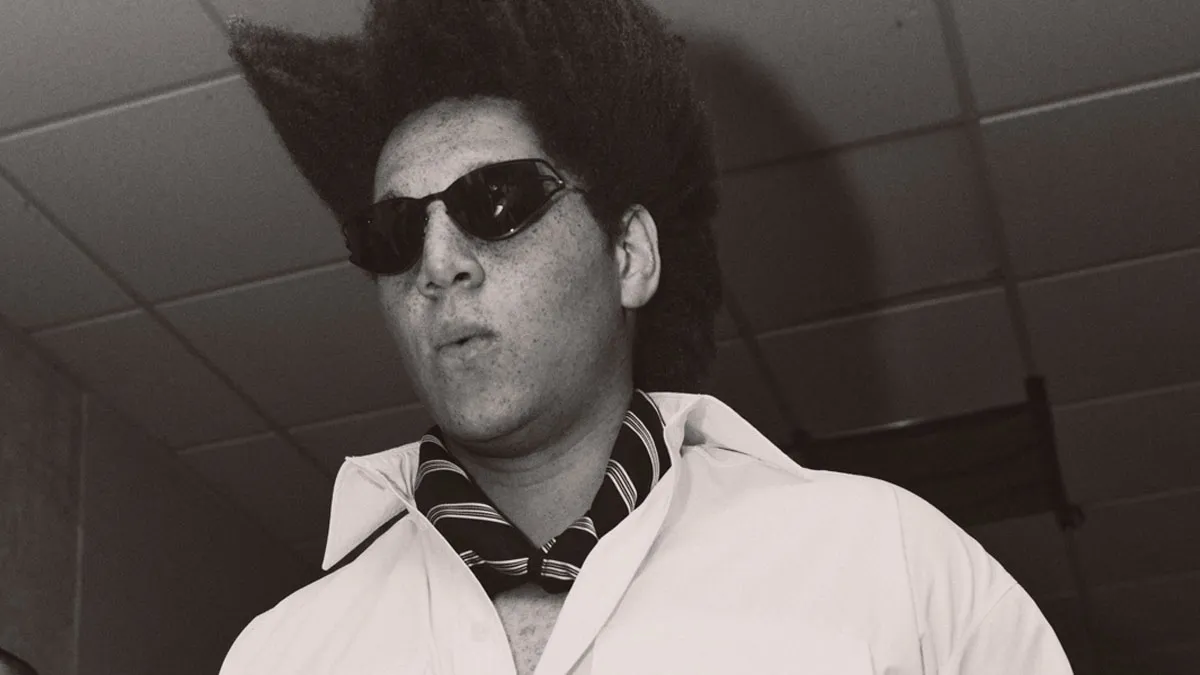
Tomo Koizumi, designer
As long as oversized silhouettes remain in fashion, I can usually find clothes that fit me, so it doesn’t feel like a major issue. But I worry that as the oversized trend fades, I’ll once again struggle to find clothes in my size. This is especially noticeable with Japanese menswear designers, where the size range tends to be very limited.
As an adult, the looksmaxxing movement feels somewhat absurd to me. But if I’d been a teenager growing up with it, I don’t think I could have ignored its influence. There’s nothing wrong with wanting to improve your appearance. The problem is that it promotes such a narrow definition of what ‘better’ looks like. I think fashion should encourage many different kinds of beauty, rather than pushing everyone toward the same ideal.