If your supermarket visits have become stress-inducing experiences as you wrestle with the sticker shock that accompanies the cost of filling your bag of groceries, you are hardly alone. Shoppers are being forced to make dozens of micro-decisions about which formerly staple items to “splurge” on and where to cut back in order to stay within budget. A steak is how much? Err … no thanks.
One broad category that has become vulnerable to these considerations are organic foods. Sales of organic foods have been steadily rising as demographic and environmental trends have nudged many consumers, particularly younger shoppers, towards these options. But with organic options already costing 20% to 50% more than their inflation-prone conventional alternatives, price-sensitive consumers have become more selective as to which organic items now make the cut.
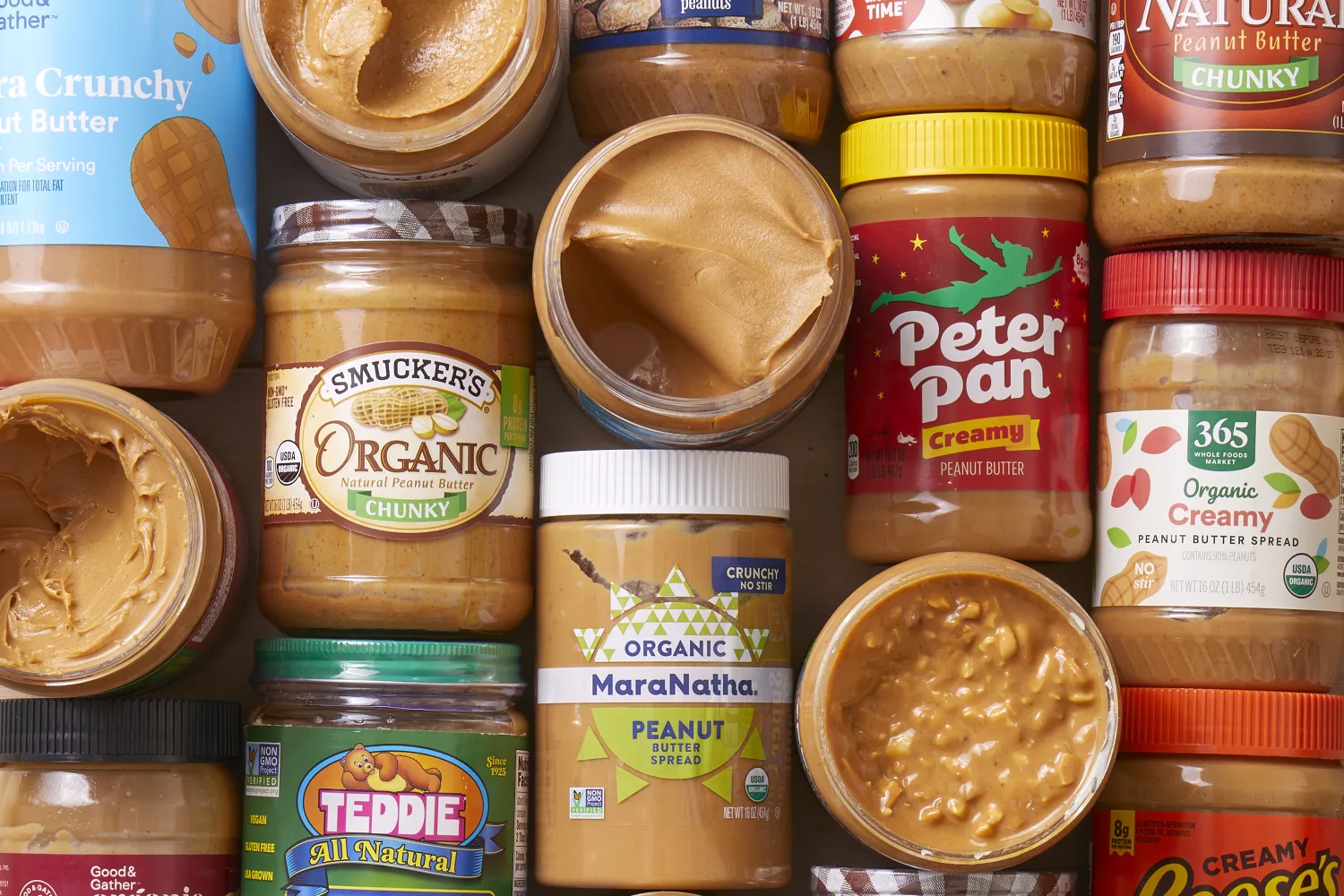
An example of this shopper dilemma affects the most all-American of menu items: peanut butter. This ultimate comfort food claims a spot in nearly every American pantry. Up to 94% of homes, according to the National Peanut Board, have a jar handy. Not just something to spread on a kid’s sandwich, peanut butter has become a pillar functional food — a high source of protein and antioxidants without the relative cost or health concerns of some animal-based alternatives.
With premium brands of organic peanut butter now topping $10 a jar, what choice does a consumer make? Splurge on organic or save with conventional? We asked experts whether organic was worth the price in the first place.
Why You Should Buy Organic Peanut Butter
We started at the source, with the peanut farmer. Algrano Peanuts, near Lubbock, Texas, is one of the largest organic growers in the U.S., producing nearly 70 million pounds annually of prized Valencia peanuts. While most peanut butter is made from the more common Runner and Spanish varietals, Valencias are darker hued and renowned for their richer, sweeter flavor. Nearly every ounce of the organic Valencias that Algrano grows are gobbled up by Costco to make its Kirkland Signature peanut butter. (No wonder chefs swear by it.)
Thanks to the drier Texas climate, Algrano’s nuts require far less help from herbicides and pesticides than those from wetter regions, like Georgia, explains Jeffrey Lollar, general manager of the farm. This makes it easier to grow both organic and conventional and still get a good yield.
Lollar muses that “eating organic is like driving with a seatbelt … if you can afford it, what’s the downside?” He also contends that Algrano’s conventional product is quite safe. According to Lollar, even strict European inspectors rarely find issues with Algrano’s conventional crops, and he claims the overall risks are minimal.
Tim Richards, founder of Philosopher Foods in California, has a different take. Richards stumbled on his company’s signature product, Gut Nuts, when he was experimenting with sprouting almonds and discovered that the nuts were bubbling due to natural fermentation. The result is a flavorful snack loaded with probiotic benefits that support intestinal health.
Richards is deeply concerned about the chemicals that have infiltrated our food system, especially Glyphosate. While the U.S. Environmental Protection Agency (EPA) approves this herbicide, European agencies are less certain, with some linking it to Non-Hodgkin’s Lymphoma. Unsurprisingly, Richards takes a purist approach and insists only on consuming organics.
He acknowledges that food is a significant — sometimes startling — portion of his family budget, but an expense he is willing to bear. When asked whether he would buy conventional peanut butter, Richards, a father of two young children, replied “only if it’s a binary decision. If I literally had to choose between starvation or feeding my kids conventional peanut butter I guess I would buy conventional. Otherwise, I would only serve them organic.”
Tami Bowen is the co-founder of CB’s Nuts near Seattle. CB’s got its start when Tami’s husband, Clark, started selling freshly roasted peanuts outside of Mariner’s field 20 years ago. A happy accident of a mistaken shipment of pre-shelled peanuts led the couple to try their hand at making peanut butter, and they now boast an innovative selection of both organic and conventional artisan peanut butters.
The lineup, which includes a single-ingredient textured version just for dogs, is primarily focused on optimizing flavor. Like Richards, CB’s sources virtually all its peanuts from Texas and credits the vivid taste to the “terroir” and effects of climate and soil. Tami is unequivocal about organic over conventional. “There is a significant difference,” she shared. “You can taste it right away.” (At the same time, she called CB’s conventional product “safe” and “very, very good.”)
Ultimately, Tami recognizes that “it’s a question of values and budget. Organic food is better food, but not for everyone all the time.”
Do you only buy organic peanut butter? Tell us about it in the comments below.