As the 19th century got underway, America was transforming from a farming nation into an industrial powerhouse. By 1805, New York was the nation’s largest city, its sustained population growth helping to drive innovation. A walkable paradise mapped for expansion, it was already taking shape around the industries — art, entertainment, finance and fashion — for which it remains known.

Nineteenth-century textile printing press.
Getty Images
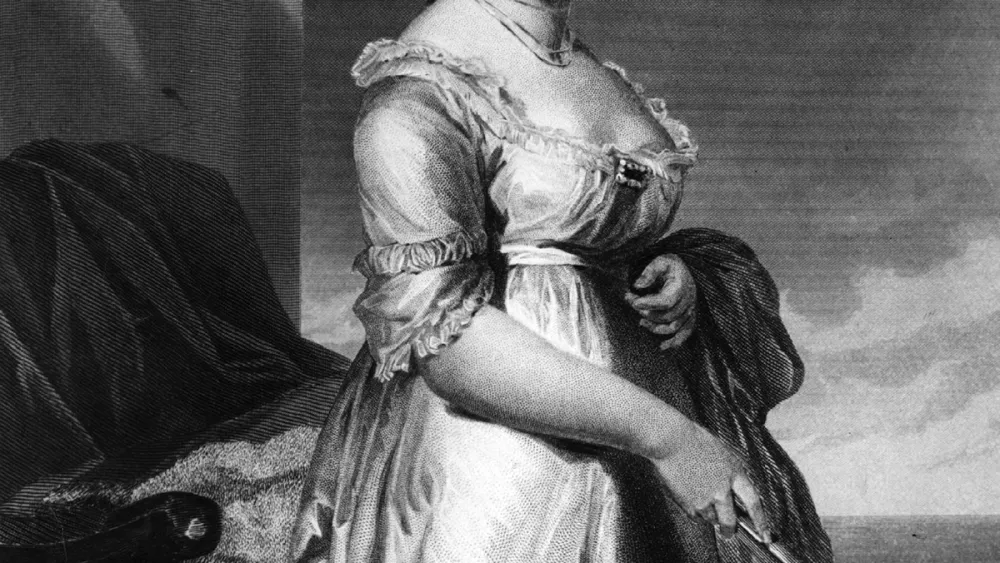
New York was now among several bustling urban centers, including Baltimore, Philadelphia and Boston, rising in prominence due in part to their industrial capabilities and the manufacture of affordable luxury textiles and other goods. Boston’s mill centers dominate the textile sector. There, cotton fabrics inspired by the Indian textiles that helped shape French Empress Joséphine Bonaparte’s style become a defining expression of American fashion when worn by then-first lady Dolley Madison. She popularized ultra-lightweight cotton voile and colorful floral calico prints, using dress not only to bridge societal ideals but also to open foreign diplomatic alliances that would redefine the role of America’s first lady.
While Boston mills revolutionized textiles through the power loom and roller printing, advances in transportation — the steamboat and the opening of the Erie Canal — accelerated the flow of goods and labor, helping shape a new American craftsmanship. In 1818, Brooks Brothers, then H. & D. H. Brooks & Co., opens its first haberdashery on Catherine and Cherry Streets in Lower Manhattan, extending New York’s growing retail footprint.

Nineteenth-century evening dress and bonnet and promenade dress with matching hat and parasol.
Getty Images
Innovation, whether radical or subtle, has always moved fashion forward. By 1820, the Federal era’s exposed necklines and sheer cotton voiles had yielded to elongated waistlines, widened skirts, petticoats, corsets and the decorated modesty of the Victorian Age. As the century unfolds, dress will mirror shifting lifestyles, from the glamour of new society wealth to the emergence of workwear and the modern fashion system.