Memorial Day is almost here, and potluck season is just beginning. You may already have some backyard get-togethers lined up, and one thing these gatherings have in common is that they tend to stretch out for hours. Maybe you arrive at 2, you have some drinks and snacks, and then the grill gets fired up at 5 before everyone sits down to eat. And there’s always that friend who rolls up at 7 and asks for a plate.
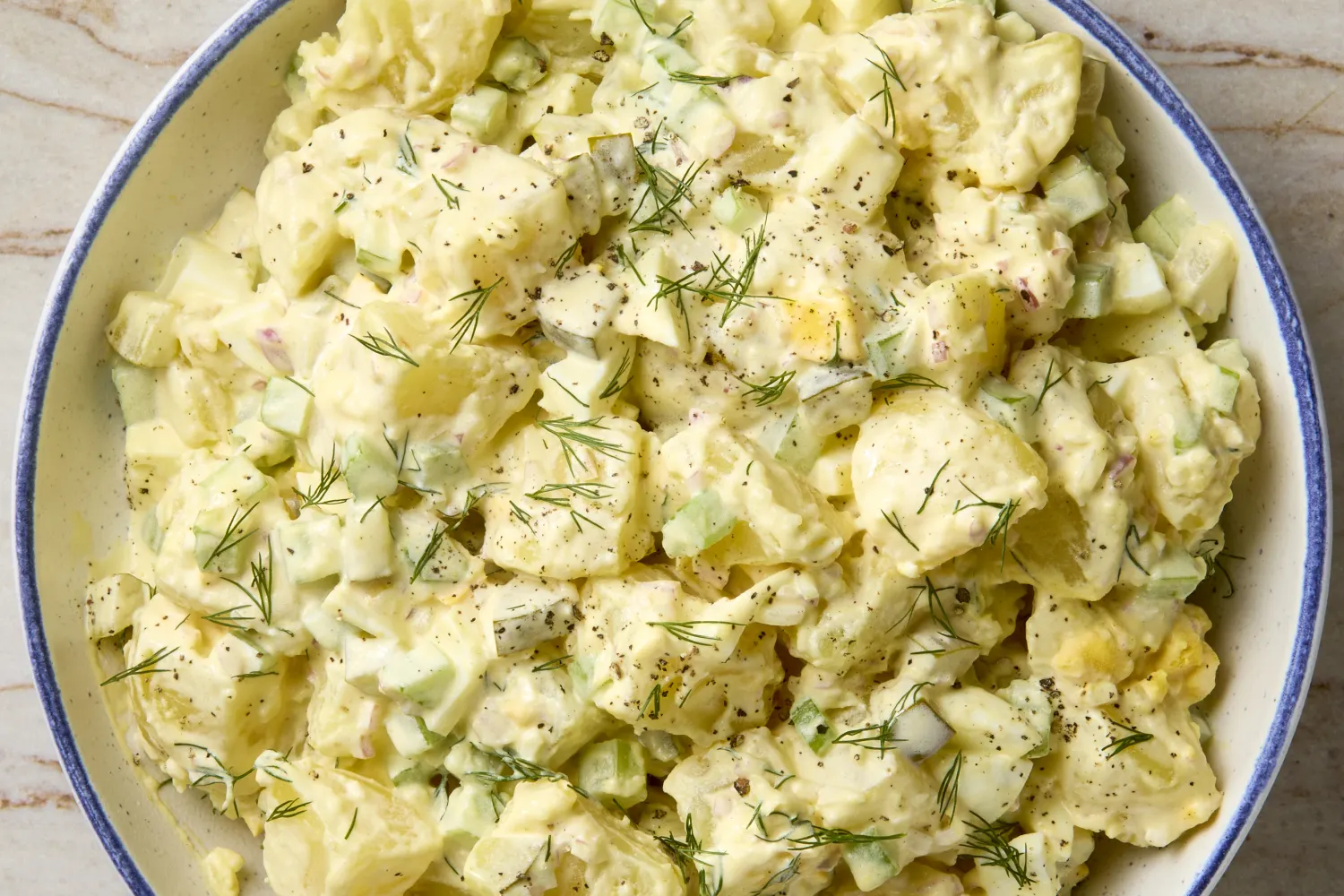
With all the lounging and waiting, sometimes the side dishes can be left out for a while — like the potato salad or the Helluva Good dip that the host said to just put on the table because “we’d be eating soon.” These kinds of universal scenarios really got us thinking recently: Is it OK to eat food that’s been sitting out for a while unrefrigerated?
To find out, I interviewed Don Schaffner, a distinguished professor at Rutgers University and extension specialist in food science, as well as Amy Keating, a registered dietitian and program leader at Consumer Reports. Here’s what they said.
How Long Can You Leave Sides Out Unrefrigerated?
Schaffner said the recommendation for leaving food out of temperature control is no more than 2 hours. He added that if the environment is really warm, cut that time in half and just leave it out for 1 hour. But Schaffner did want to emphasize these were the conservative recommendations, and restaurants are actually permitted to keep hot or cold food out without temperature control for up to 4 hours.
I also asked both Schaffner and Keating if the leftover food would be safe to consume if it was stored in temperature-controlled conditions right at the 2-hour mark. Both Keating and Schaffner said it was. But if you choose to push the time beyond 2 hours, Schaffner said to skip eating it again later.
Should You Be More Worried About Certain Foods Over Others?
Side dishes with a lot of dairy or mayonnaise, like potato salad or macaroni and cheese, are foods I expected the experts to be more worried about leaving out for a long time. But Schaffner said that he’s less concerned about what the food is than what it could have been exposed to. Instead, he’s more concerned about your guest contaminating a dish with bacteria from their hand.
According to Schaffner, factors that impact concern are water activity and pH levels of a dish. When there is more water in food, there is more opportunity for bacteria growth. An example of a food with low water activity that he said he would be less worried about is a potato chip.
The pH level of a dish is also important to know because the more acidic it is, the less hospitable it is for bacteria to grow. In other words, you should be more worried about a cheese dip over a salsa because of the acid in the tomatoes.
When speaking about mayo in particular, Schaffner explained that store-bought mayonnaise is actually acidic and is designed by food scientists to not have pathogens. Once again, there’s more of a risk in the way someone prepares a dish with mayo or what someone could have spread into the dish by touching it, than the fact that it contains mayo.
Both Keating and Schaffner also shared examples of foods that you might expect to make you sick but won’t, and foods you think are safe but will actually make you sick. For example, spoiled food (like milk) may look and smell bad, but it has a low chance of making you sick. However, food that looks perfectly fine may be infected with bacteria like Salmonella, E. coli, or Staphylococcus, and can give you food poisoning.
What Else to Consider During Grilling and BBQ Season
Before even getting started on talking about the worry of eating food that’s been left out for a couple of hours, Schaffner wants everyone to consider the possibility of cross-contamination and the consumption of raw meat at BBQs.
Keating concurred, and said people need to think about the utensils and plates they are using when grilling. For example, if you bring burgers out on a plate and flip them while raw with one tool, both the plate and utensil need to be replaced when the meat is cooked through and ready to come off the grill.
Ensuring that what you are serving is cooked properly was also important to Schaffner. He suggests using a meat thermometer to check that your hamburgers, hot dogs, BBQ chicken, and whatever else you might be serving are cooked to the correct temperature. Now that you know your sides are probably safe to eat, you might as well be safe about everything else you’re serving.